
An orc name should sound like it belongs to a person, not just a noise made while dropping a toolbox. I like names with weight, rhythm, and enough variation to fit warriors, shamans, chieftains, smiths, hunters, scouts, healers, and quieter characters who happen to be orcs.
These are original fantasy-style names rather than names copied from an existing franchise. I mix hard consonants with smoother endings so every section does not collapse into Grak, Grok, Gruk, and fifteen cousins who all answer when dinner is called.
Orc Names I’d Save First
I like strong two- or three-syllable names that are easy to say in a game session. A name can feel rough without becoming impossible to remember.
- Korvak, Thorga, Brakka, Durog, Vesha, Makra, Gorven, Rukha, Tazgar, Korga
- Brugen, Varok, Narka, Hrogan, Zavra, Mugren, Torgha, Keshra, Dravok, Ugra
- Ragven, Thurka, Borak, Mazha, Gromek, Vorga, Kraven, Yagra, Dornak, Shura
- Kargan, Veshaq, Brogha, Tarvek, Murna, Grosha, Rakor, Zurna, Halgruk, Orsha
- Durvek, Kavra, Morghan, Brukha, Torvak, Gresh, Vargra, Narok, Khavra, Rogan
- Urvak, Drazha, Korgan, Brumek, Sarga, Molgar, Trasha, Vornak, Kurga, Zorven
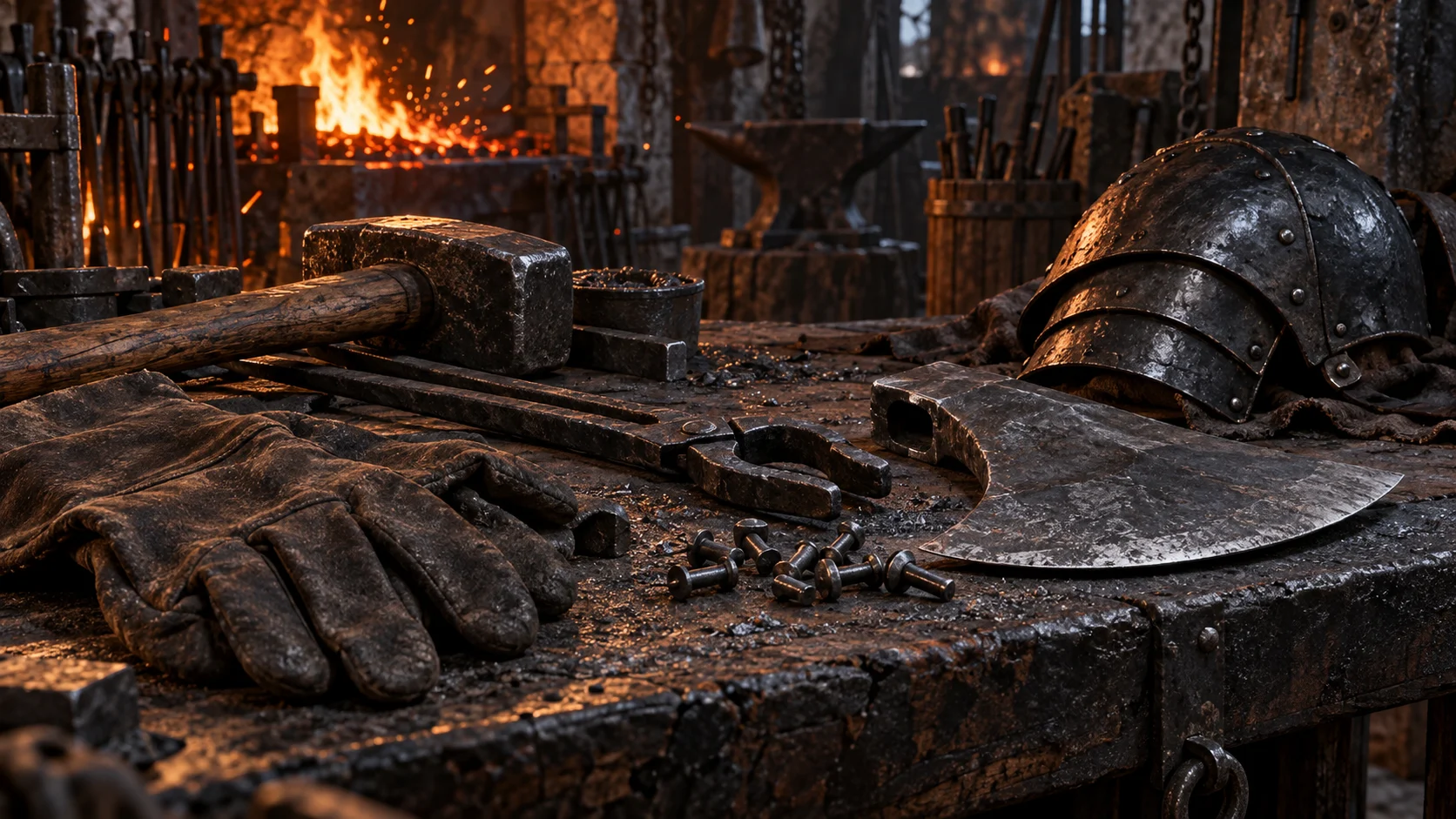
Orc Warrior Names
Warrior names can carry sharper sounds, but I still want them pronounceable. Kor, var, dra, gr, and tor give enough edge without turning every fighter into the same person.
- Kordrak, Vargun, Drasha, Gronar, Torvek, Brakka, Hurgan, Mazrak, Roven, Kharza
- Gorvak, Thragan, Durek, Varsha, Kurnak, Brogan, Zargra, Morvek, Trugan, Ashka
- Rukvar, Drazek, Korgha, Vurnak, Hrosha, Bravor, Greshak, Torgha, Mavrek, Zorak
- Kharvek, Brusha, Dorgan, Vashra, Krugan, Morkar, Thurna, Ragvek, Vorgha, Daruk
- Gorren, Vargra, Kresh, Burvak, Torzha, Draven, Hurgra, Zarnak, Molvek, Grasha
- Rogvar, Kurnek, Thragha, Borgan, Vezrak, Drokha, Murgan, Karvek, Sorgha, Tazruk
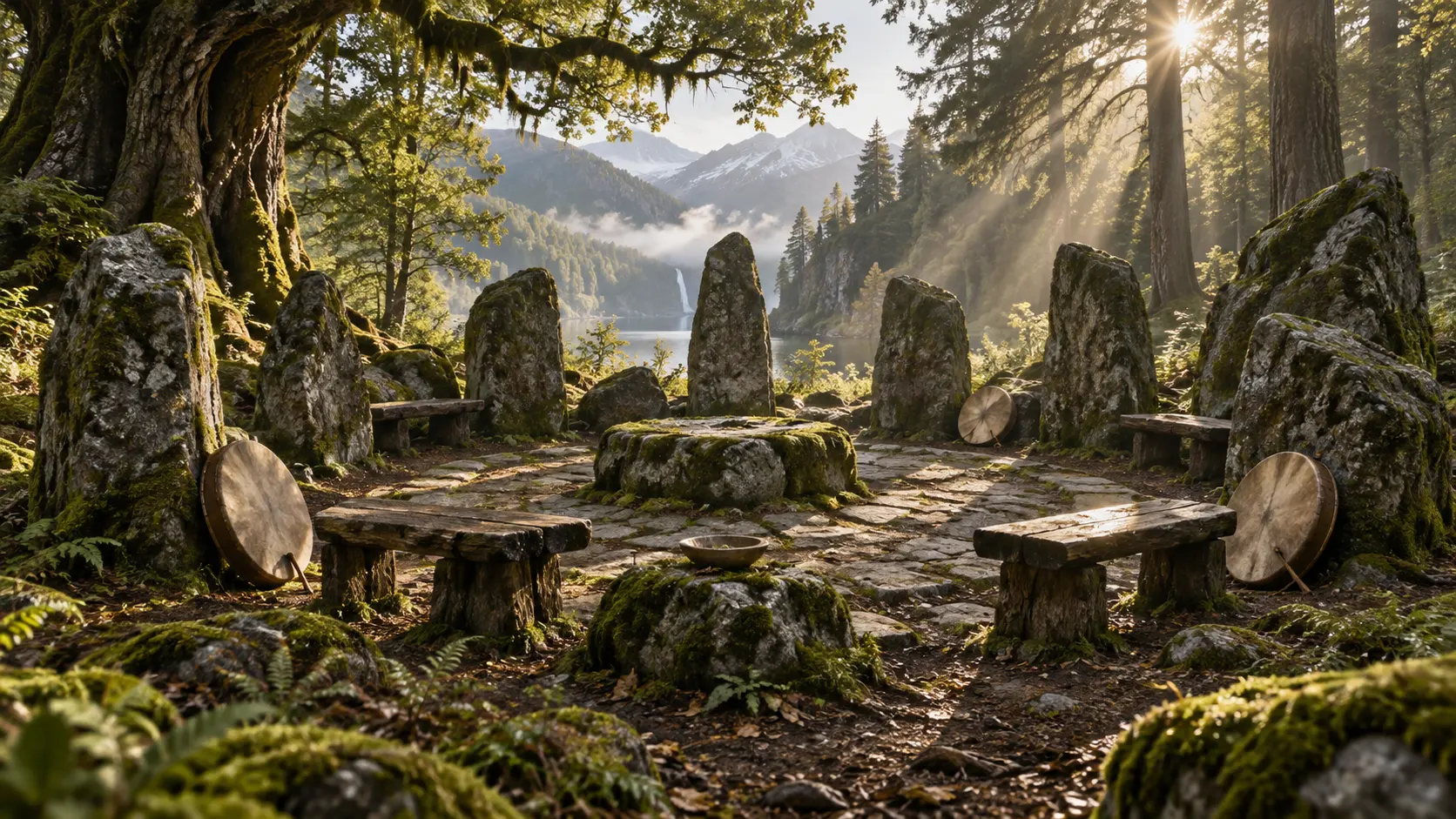
Orc Shaman and Mystic Names
For shamans and mystics, I soften the cadence and use more breathy endings. These still sound orcish, but they leave room for wisdom, ritual, healing, divination, and spirit work.
- Vesha, Oruna, Mazhra, Kethra, Shavra, Toruna, Uzgara, Neshka, Ravena, Morgha
- Zulra, Kavra, Othena, Gresha, Yurna, Theska, Varuna, Nogra, Mushra, Kelgha
- Soruna, Drazha, Umera, Gorasha, Velgra, Naruna, Shorga, Teshra, Maluna, Korisha
- Azgra, Voshra, Meruna, Khalra, Osheka, Zurena, Thagra, Nuvra, Gorsha, Veluna
- Rashka, Moruna, Uzhra, Kelsha, Torga, Vesuna, Nargra, Othra, Shurna, Gavena
- Yeshra, Malgra, Voruna, Kethra, Ozara, Brusha, Teruna, Zogsha, Raluna, Mavera
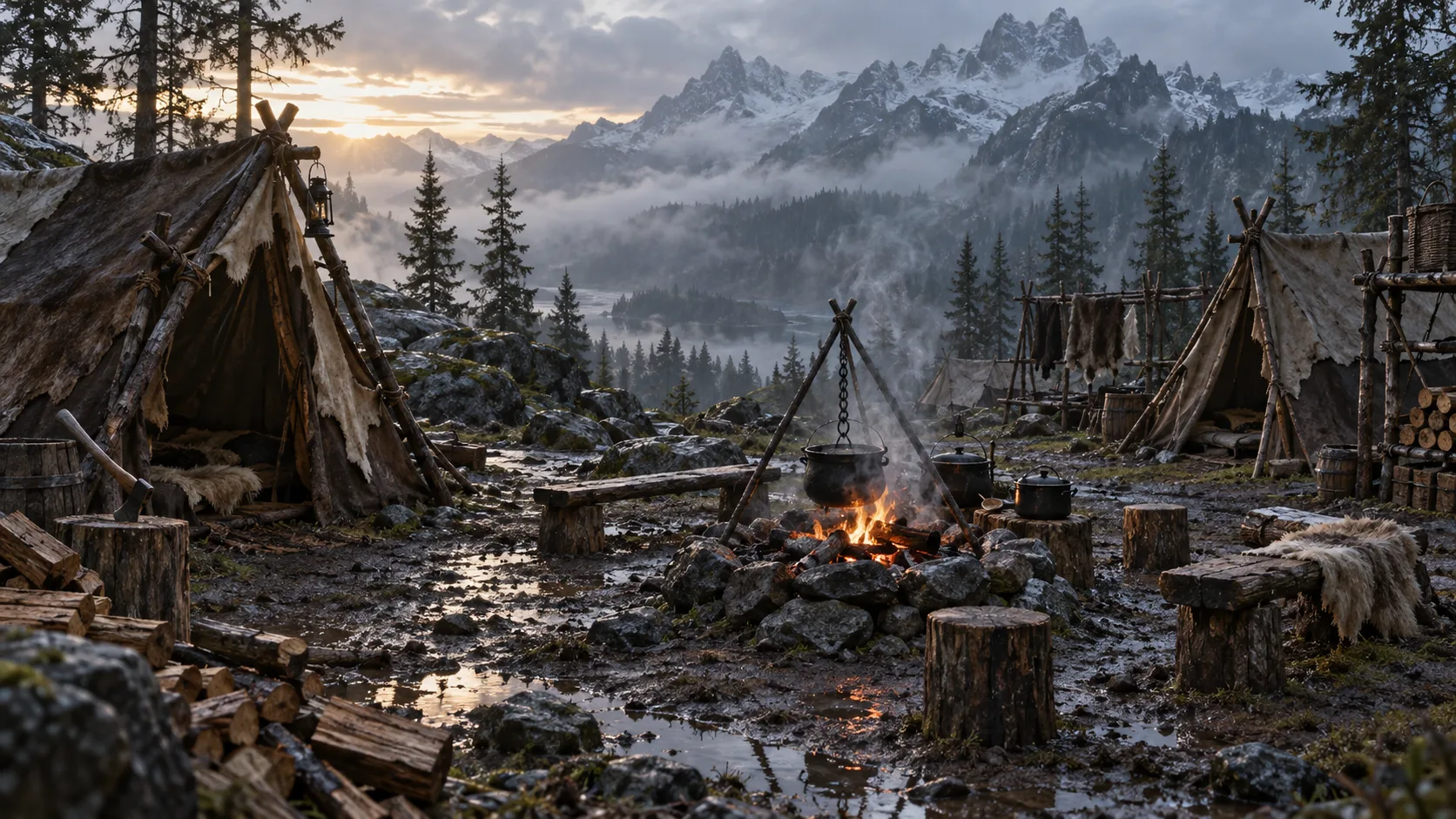
Orc Chieftain Names
Chieftain names should sound memorable when spoken by the whole clan. I favor broad vowels and strong endings that feel commanding without simply adding “Blood” or “Skull” to everything.
- Gorvath, Kargun, Tharvek, Brogath, Vornak, Durgan, Malkor, Raghun, Torvash, Kharok
- Varghan, Zorvek, Morgrath, Urgan, Hrovek, Gashar, Dromak, Kurgath, Bravon, Torgun
- Ravgar, Molvath, Zarnok, Drugar, Varkesh, Grolan, Thurnak, Borgan, Korvash, Magor
- Urvath, Krazan, Dornak, Veshar, Hragun, Tazgor, Brovath, Morgun, Kharven, Durgash
- Vorgan, Ralgar, Gromath, Torzun, Kargesh, Mazgor, Thravon, Brugan, Zorvath, Halkor
- Gorzan, Varvath, Murgor, Theshak, Brokar, Dornath, Kurgan, Zargesh, Tormak, Ravon
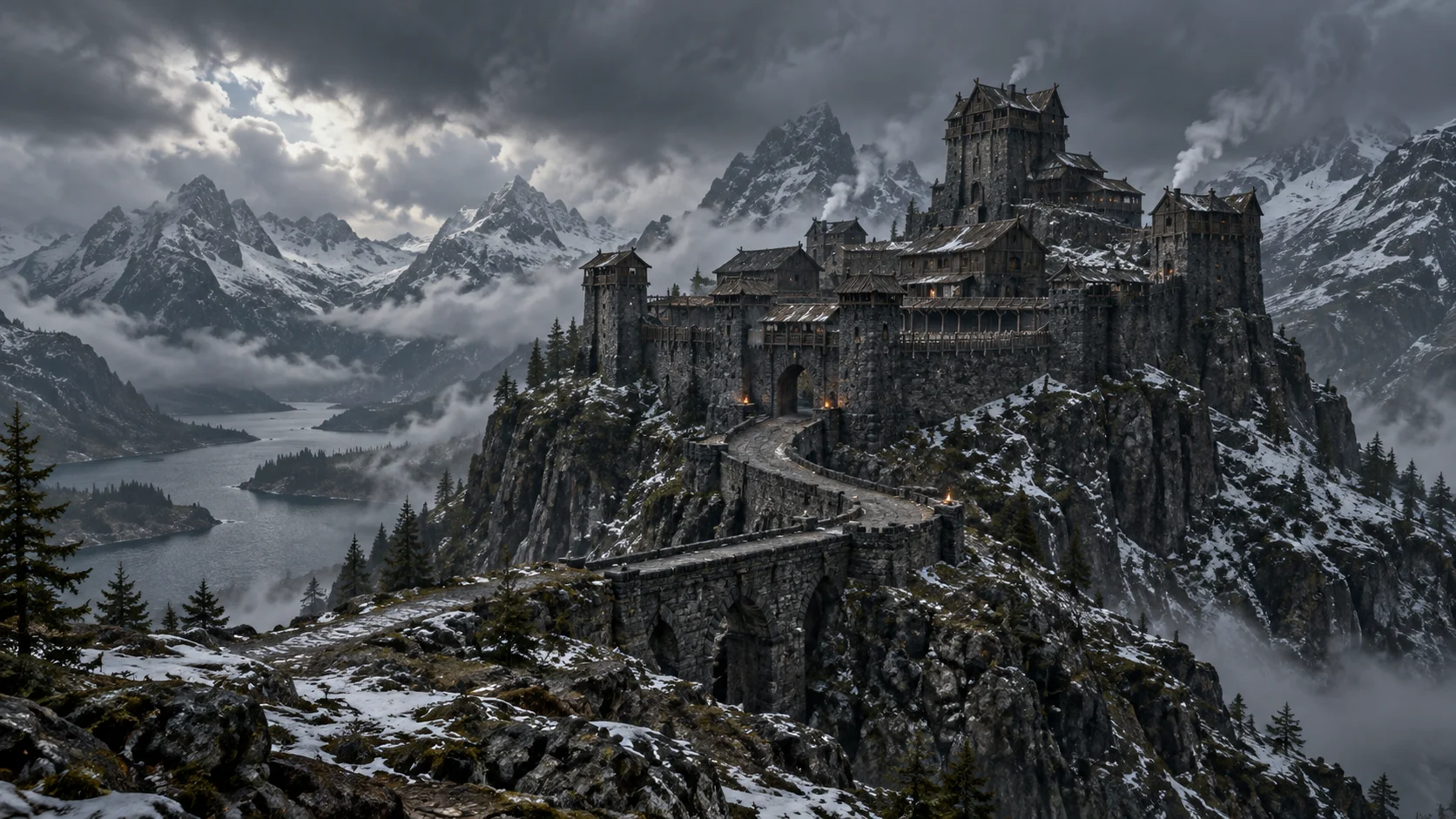
Orc Hunter and Scout Names
Hunters and scouts feel better with quicker names. I use fewer heavy syllables and more names that can be shouted across a ridge without sounding like a formal speech.
- Raka, Vorik, Tesh, Kurna, Drok, Vasha, Narek, Zuri, Goran, Meka
- Threk, Orva, Kesh, Ruvan, Brak, Sora, Darga, Velk, Murna, Tavi
- Krosh, Yara, Vorek, Nasha, Durg, Reka, Zarn, Mavi, Torik, Kesha
- Gruk, Vena, Harok, Tura, Rosh, Nogra, Kavi, Zesh, Borik, Vura
- Drak, Mera, Korna, Shav, Rurik, Tesha, Garek, Vosh, Nura, Brika
- Karg, Yesh, Toran, Zura, Droven, Nari, Varka, Molik, Hesha, Rovan
Orc Smith and Crafter Names
Smiths, leatherworkers, armorers, and other craftspeople can still sound formidable. I lean into steady, grounded names that feel suited to someone who knows exactly how much metal that sword needs.
- Brogar, Kurnek, Dorga, Mavrak, Torven, Grasha, Vurgan, Molka, Rethak, Zorva
- Hurnak, Kavra, Dromek, Borga, Teshan, Vorkar, Murgra, Khalek, Rovana, Grumek
- Torak, Brumra, Kelgor, Varnak, Durez, Mogha, Korgan, Zura, Hravik, Dornra
- Greshan, Vurak, Morvek, Krasha, Torgra, Balvek, Shurna, Kharan, Urdak, Mavsha
- Rugor, Vesha, Dornik, Bragha, Turok, Molgra, Kervak, Zorna, Hurgan, Dravsha
- Vorgak, Nureka, Brovek, Targan, Kulra, Morsha, Hrevik, Garna, Zoruk, Ralvek
Orc Healer and Keeper Names
Not every orc character needs to solve problems with an axe. These names are gentler without sounding disconnected from the same culture.
- Orena, Vesha, Kalra, Murna, Teshra, Gorena, Malka, Rava, Shura, Nogra
- Velra, Kesha, Orgha, Tavra, Meruna, Sorka, Halra, Zena, Dura, Korisha
- Yara, Mavra, Gresha, Toruna, Nesha, Ulra, Vorga, Sarna, Kethra, Osha
- Runa, Malgra, Veshaq, Dorna, Yelra, Kavra, Murena, Sharka, Othra, Veska
- Tura, Nargra, Helka, Gora, Vurna, Merka, Rasha, Kelra, Ozena, Mura
- Shena, Varuna, Ketha, Ralra, Usha, Torga, Nura, Mela, Korna, Zesha
Orc Clan and Family Names
For clan names, I prefer landscapes, animals, craft traditions, and memorable natural images over endless gore. An orc clan can be intimidating because of reputation, not because every surname sounds like a warning label.
- Ironridge, Stonejaw, Ashriver, Redpine, Blacktusk, Thornfield, Wolfscar, Emberpeak, Grayhorn, Flintvale
- Stormhide, Oakbreaker, Cinderrock, Frostfang, Bronzebark, Deeptrail, Highcrag, Ravenspear, Dusthorn, Ironroot
- Stonehide, Redcliff, Thornridge, Ashfang, Wolfpine, Emberstone, Graytusk, Flintrock, Stormroot, Oakscar
- Cinderjaw, Frosttrail, Bronzehorn, Deepcrag, Highriver, Ravenhide, Dustpeak, Ironbark, Stonefang, Redroot
- Thornjaw, Ashridge, Wolfrock, Embertrail, Graycrag, Flintscar, Stormpine, Oakfang, Cinderriver, Frosthide
- Bronzepeak, Deepbark, Highhorn, Ravenroot, Duststone, Irontrail, Stonepeak, Redbark, Thornhorn, Ashcrag
Old Orc Names
For elders and older bloodlines, I use longer forms and names with a slower cadence. They feel established without requiring an apostrophe every four letters.
Final 35 Orc Names
I saved the last group for names that do not need a job title attached. These can fit warriors, cooks, diplomats, troublemakers, merchants, parents, rivals, or whoever your story actually needs.
- Kerva, Durok, Malsha, Vorgan, Tesh, Bruna, Gorvek, Narka, Rovan, Zeshra
- Torak, Vesha, Murg, Kalra, Doren, Hrova, Keshan, Ravka, Borven, Ugra
- Shoran, Varka, Turem, Mazra, Goren, Krava, Nesh, Durgan, Sorek, Brasha
- Korven, Mavra, Torgha, Zuran, Velka
How to Build an Orc Naming Culture Instead of a Sound Effect
I decide what the community values before I decide what “sounds orcish.” A clan known for metalwork, horse breeding, river trade, healing, scholarship, hunting, or diplomacy should leave different marks on names, titles, family traditions, and nicknames.
I use hard consonants as one ingredient rather than the whole recipe. If every name begins with Gr, Kr, or Br and ends in -gak, the culture stops feeling strong and starts feeling like I dropped a bag of Scrabble tiles down the stairs.
Family names can come from places, trades, ancestors, animals, landscape, or earned reputations. Ironridge feels different from Stonejaw, and both give me more worldbuilding than assuming every clan surname needs blood, skulls, or something else that sounds permanently angry.
I also separate titles from names. Gorvath may be a chieftain because people chose or inherited that leadership structure, not because the syllables in Gorvath magically sound more important than Orena.
Older names can preserve sounds younger generations no longer use. That gives elders and ancestral figures a subtle linguistic difference without requiring an entirely separate naming language every time the family tree reaches back two generations.
Trade and migration should change names too. Orc communities living beside dwarves, humans, goblins, or other peoples might borrow sounds, translate surnames, adopt easier public forms, or keep different versions for home and outside business.
I make sure peaceful professions receive names with the same care as warriors. Smiths, cooks, healers, parents, merchants, herders, scribes, and diplomats are what turn an orc settlement into a society instead of a hallway full of combat encounters.
For relatives, I reuse one sound pattern at most. Korvak and Korgan can plausibly feel related, but adding Korven, Korga, Korganek, and Korvakar to the same dinner table creates a memory problem rather than a family tradition.
I read every name in ordinary dialogue, not only dramatic introductions. “Vesha wants the blue bowl back” is just as useful a test as “Vesha calls the spirits,” because characters need names that survive normal life.
Finally, I keep a clan sheet with common sounds, uncommon endings, family naming rules, titles, regions, and names already used. It makes the next fifty characters feel related without making them identical.
How I Pick an Orc Name
I say the name out loud in a normal sentence. If I cannot say “Korvak crossed the bridge” without stumbling, I probably do not want to hear it thirty times in a campaign.
I also make names within one family or clan share a little sound logic. Two siblings do not need rhyming names, but a shared vowel pattern or ending can make the culture feel intentional.
My Orc Name Shortlist
I’d keep Korvak, Vesha, Gorvath, Raka, Brogar, Orena, Ironridge, Korvagar, Kerva, and Malsha. They cover different roles without making every orc sound interchangeable.